Ontario’s manufacturing sector is expanding, but CNC machinists who are truly job ready remain in short supply. Employers are no longer hiring based on certificates alone. They are looking for machinists who can step onto the shop floor, understand the machine, and deliver consistent results from day one. (Job Bank Canada)
Today’s CNC roles demand more than basic operation. Modern manufacturers expect a combination of technical skill, hands on experience, and adaptability to advanced machining environments. Understanding what employers actually value can make a significant difference in building a successful CNC career in Ontario. (Government of Ontario)
Why CNC Hiring Standards Have Changed in Ontario
Ontario manufacturers are working with tighter tolerances, faster production cycles, and increasing automation. CNC machinists are expected to contribute immediately, not learn everything on the job.
As a result, employers now prioritize practical capability, problem solving, and real machine exposure over purely academic credentials.
1. Shop Floor Readiness Is Non Negotiable
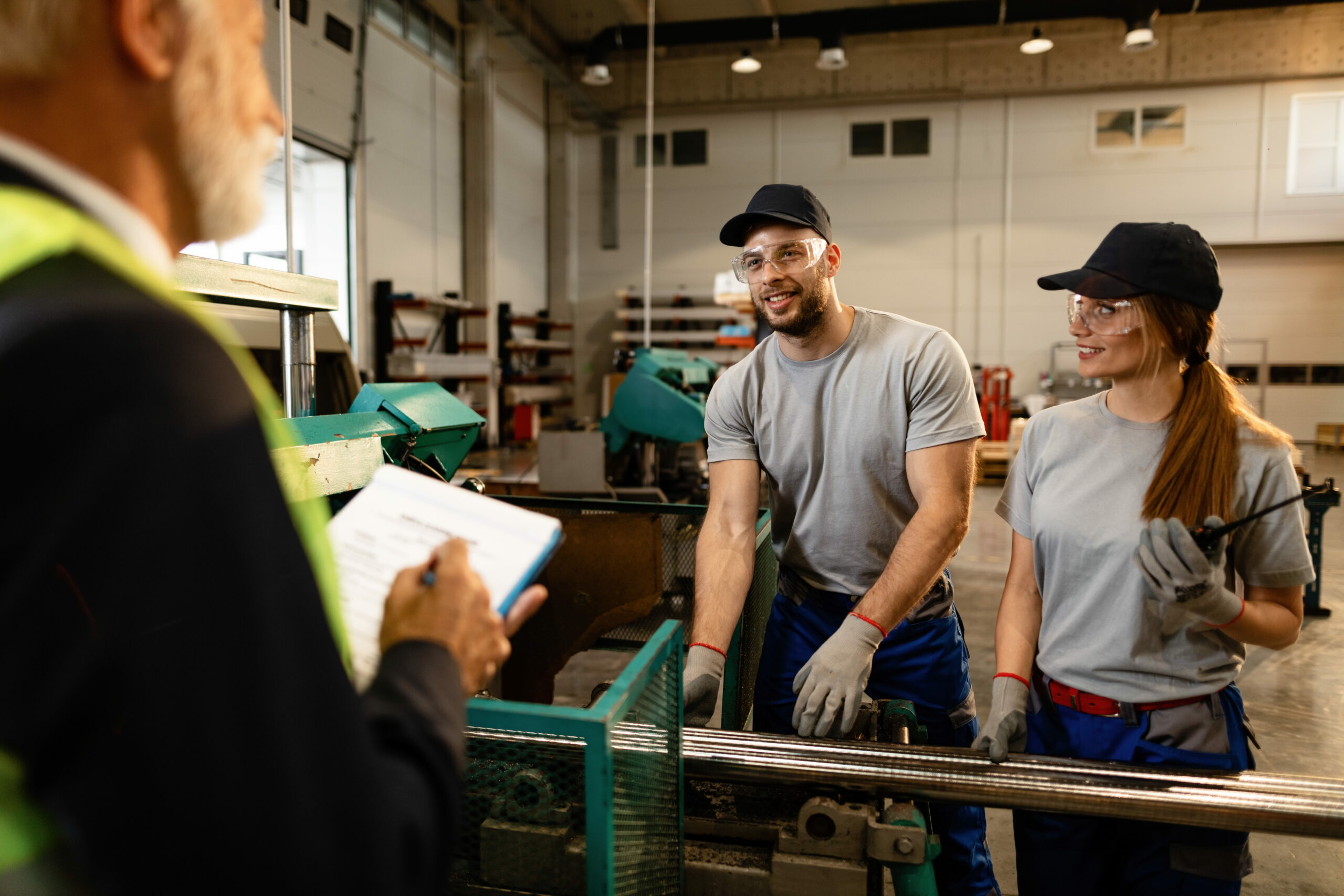
The first question employers ask is simple: can this candidate run a machine safely and independently?
What employers expect
- Understanding of machine setup and tooling
- Ability to read engineering drawings and blueprints
- Knowledge of feeds, speeds, and materials
- Awareness of shop safety and standard procedures
Machinists who can manage their workstation with minimal supervision are far more valuable to employers.
2. Hands On Project Experience Matters More Than Theory
One of the strongest hiring indicators is project based experience.
Employers want machinists who have completed real CNC projects from start to finish. This shows confidence, accountability, and familiarity with real shop floor challenges.
Why projects matter
- Builds real machining confidence
- Develops problem solving skills
- Teaches tolerance control and inspection
- Reduces employer training time
Programs that focus on real machining projects consistently produce more job ready graduates.
3. CNC Programming and CAD CAM Skills Are Increasingly Expected
Modern CNC machinists are expected to understand programming, not just operation.
Skills employers value
- Exposure to CAM software such as Mastercam
- Basic G code understanding
- Ability to edit or adjust programs when needed
- Familiarity with simulation and error prevention
Even entry level CNC roles increasingly favor candidates with programming exposure.
4. Quality Control and Measurement Knowledge
Precision manufacturing depends on quality. Employers look for machinists who understand inspection and tolerances.
Common expectations
- Use of calipers, micrometers, and gauges
- Understanding of GD and T basics
- Awareness of inspection reports and tolerances
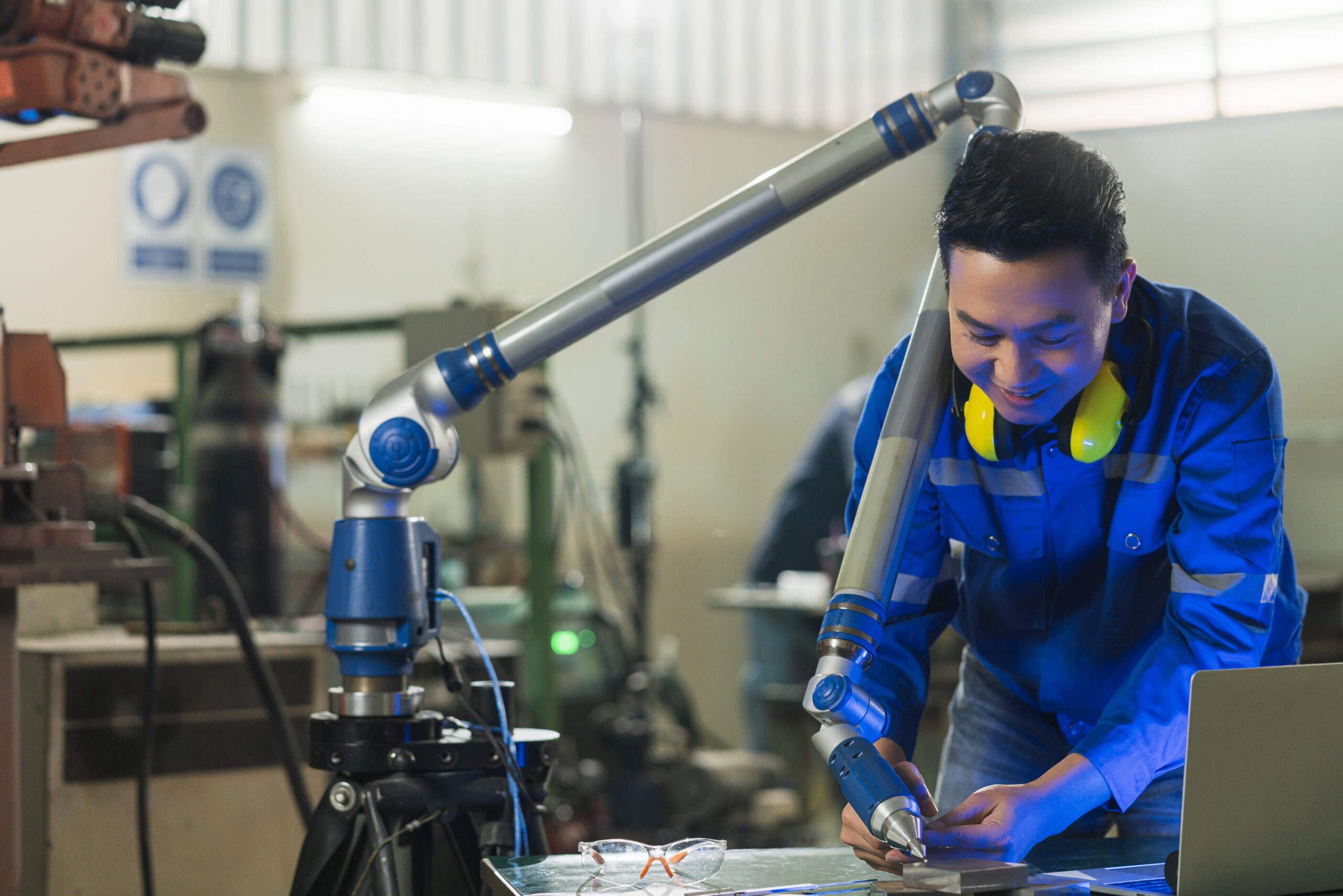
- CMM exposure as an added advantage
Machinists who understand quality reduce scrap, rework, and downtime.
5. Certifications and Structured Training Still Matter
While hands on skills come first, formal CNC training remains important.
What employers look for
- Completion of a recognized CNC diploma or certificate
- Training on industry standard machines
- Evidence of structured learning and shop exposure
- Safety focused CNC education
Employers prefer focused, skills based training over long, theory heavy programs.
6. Soft Skills Employers Pay Attention To
Technical ability alone is not enough.
Employers value machinists who demonstrate
- Strong problem solving mindset
- Willingness to learn and adapt
- Clear communication and teamwork
- Professionalism and reliability
CNC machinists work closely with supervisors, engineers, and quality teams. Collaboration matters.
7. Comfort With Automation and Modern Manufacturing
Ontario manufacturers are adopting automation, robotics, and smart CNC systems.
Employers prefer machinists who are comfortable working alongside technology and evolving with it.
In demand traits
- Openness to automation and robotics
- Basic understanding of smart machines
- Willingness to upgrade skills over time
Adaptability increases long term employability.
Why IMTT Graduates Align With Employer Expectations
Our CNC programs are designed around real employer needs, not outdated curricula.
IMTT focuses on
- Hands on machining with multiple real projects
- Industry standard CNC machines and tooling
- Practical CAD/ CAM exposure
- Shop floor readiness and safety
- Career focused training without unnecessary semesters
Graduates leave with confidence, experience, and skills employers recognize.
Final Thoughts
Ontario employers are not just hiring CNC machinists. They are hiring problem solvers who can deliver results on the shop floor.
Certifications open doors, but hands on experience, modern CNC skills, and job readiness determine long term success.
Ready to build job ready CNC skills?
Explore IMTT’s CNC training programs and take the next step toward a stable, in demand manufacturing career in Ontario.
References:
Job Bank Canada: CNC Machinist Outlook (Ontario)
Canadian Manufacturers & Exporters (CME): 2025 Workforce Report
Statistics Canada: Manufacturing Job Vacancies