
Changing careers in your 30s or 40s feels risky. Most people stay in jobs they dislike because starting over seems too hard.
But the skilled trades tell a different story. Demand is high. Wages are strong. And the path in is shorter than most people think.
Mississauga sits right at the heart of Ontario’s manufacturing and industrial corridor. That makes it one of the best cities in Canada to make this switch, if you know where to start.
The Skilled Trades Gap Is Real and Growing
Canada is facing a serious shortage of skilled trades workers. This is not a trend. It is a structural problem that has been building for years.
Thousands of experienced tradespeople are retiring every year. The pipeline of new workers is not keeping up. Industries like CNC machining, manufacturing, and precision engineering are actively looking for qualified people. Companies are competing for talent, which means better wages, better benefits, and more stability for workers who hold the right skills.
This gap creates a genuine opportunity for career changers. If you have been thinking about making the move, the timing has never worked more in your favour.
What Makes Skilled Trades a Strong Second Career Choice
People often assume that trades require years of physical apprenticeship or that you need to start at the very bottom. That thinking is outdated.
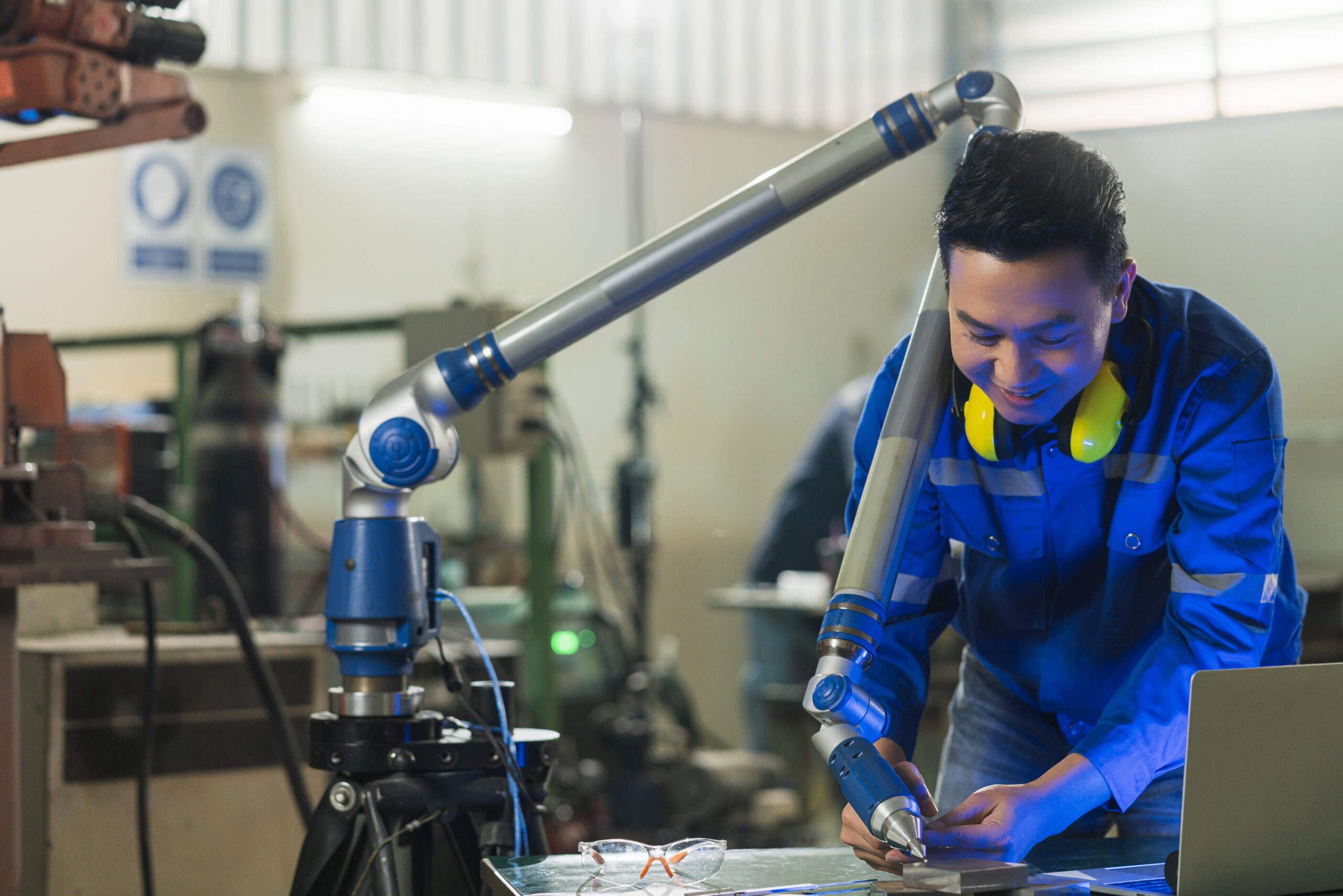
Modern skilled trades like CNC machining combine technology, precision, and problem-solving. You work with sophisticated software and machinery. You read technical drawings and produce parts with tight tolerances. It is technical, engaging, and well-paid. Many career changers find the hands-on nature of the work deeply satisfying after years behind a desk.
The trades also offer something office careers rarely do. You build something. You see the outcome directly. That kind of feedback keeps people motivated and proud of their work every single day.
How Second Career Programs Make the Transition Manageable
This is where the path gets practical for most career changers.
Financial aid is available for eligible applicants.These programs exist specifically for people who have been laid off or are transitioning out of industries that are shrinking. The financial barrier that stops most people from making the leap gets removed or significantly reduced.
The programs can fund tuition, materials, and sometimes living expenses during training. This means you can retrain full-time without draining your savings. For many people, access to second career programs is the single factor that turns a distant idea into an actual plan. Eligibility is often broader than expected, so a quick consultation with a career advisor will clarify your options fast.
Why Mississauga Is the Right Place to Retrain
Location matters more than people realize in skilled trades. Mississauga has one of the densest clusters of manufacturing and advanced industrial employers in Ontario. From aerospace to automotive to precision parts production, companies here are actively hiring.
Retraining in Mississauga means you are learning in the same city where your future employer likely operates. That creates networking opportunities, co-op connections, and job placements that simply do not exist in smaller markets.
Here is what career changers who retrain in Mississauga typically gain access to:
-
CNC machining jobs in aerospace and advanced manufacturing companies
-
Starting pay that is often higher than before
-
Employers who actively look for graduates from local training programs
-
Career paths that go from operator to programmer to setup specialist
-
A professional trade credential that is accepted all over Canada
These jobs are not entry-level or dead-end. They are jobs that can lead to better things and pay well over time. In Mississauga, employers aren’t just hiring people to fill seats.
They are putting money into skilled workers who can help their businesses grow. If you retrain in the right city and learn the right skills, you’ll have a big advantage over people from other areas when you apply for jobs.
Choosing the Right Training Institution Matters
Funding is one part of the equation. The quality of your training is the other. Not all programs prepare you equally for the workforce. The difference between a job-ready graduate and one who struggles often comes down to where and how they trained. Hands-on learning, modern equipment, small class sizes, and instructors with real industry experience make an enormous difference in outcomes.
At the Institute of Machine Tool Technology (IMTT), we built our programs specifically for people who want to enter or advance in the skilled trades. Our training covers CNC machine operation, programming, SolidWorks, Mastercam, and mill and lathe setup. These are the exact skills Mississauga employers are hiring for consistently.
We work with career changers every day. What sets our approach apart is simple:
-
Training on real CNC machines in a fully equipped workshop
-
Instructors who have worked in the industries they teach
-
Flexible scheduling that fits adult learners with existing responsibilities
-
Career support that continues after the program ends
-
A strong track record of graduates working in high-demand machining roles
IMTT does not teach theory in isolation. We connect every concept directly to what you will do on the job. Students leave with a recognized certificate, real hands-on confidence, and the practical knowledge that employers across Ontario look for in new hires.
Switching careers is never an easy choice. But it is often the right one. The skilled trades offer stability, strong wages, and work that feels meaningful. Mississauga offers the industries to build a lasting career. And the financial support available through second career programs means the risk is far lower than most people assume.