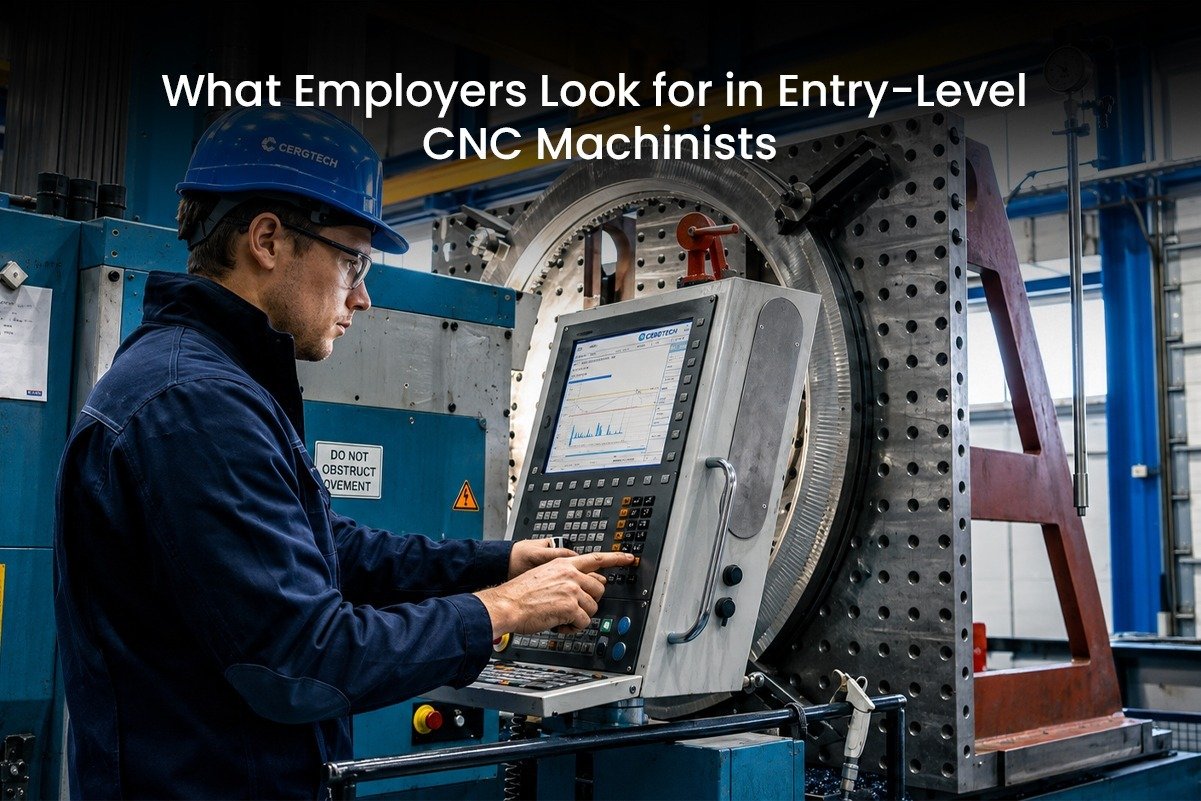
Ontario’s manufacturing sector is entering a new phase of evolution as automation, artificial intelligence, and CNC technology become central to modern production. Across the province, manufacturers are adopting collaborative robots, smart toolpaths, connected machines, and automated workflows to improve precision, efficiency, and consistency.
While automation is often viewed as a threat to traditional manufacturing jobs, industry data shows the opposite. CNC machinists who understand automation, programming, and digital workflows are becoming increasingly valuable as production environments grow more advanced (3ERP). Skilled professionals remain essential to keeping manufacturing operations efficient and competitive.
At the Institute of Machine Tool Technology (IMTT), training is aligned with these industry shifts to ensure students develop practical, future ready skills that match Ontario’s evolving manufacturing needs.
How Automation Is Redefining CNC Machining in 2025
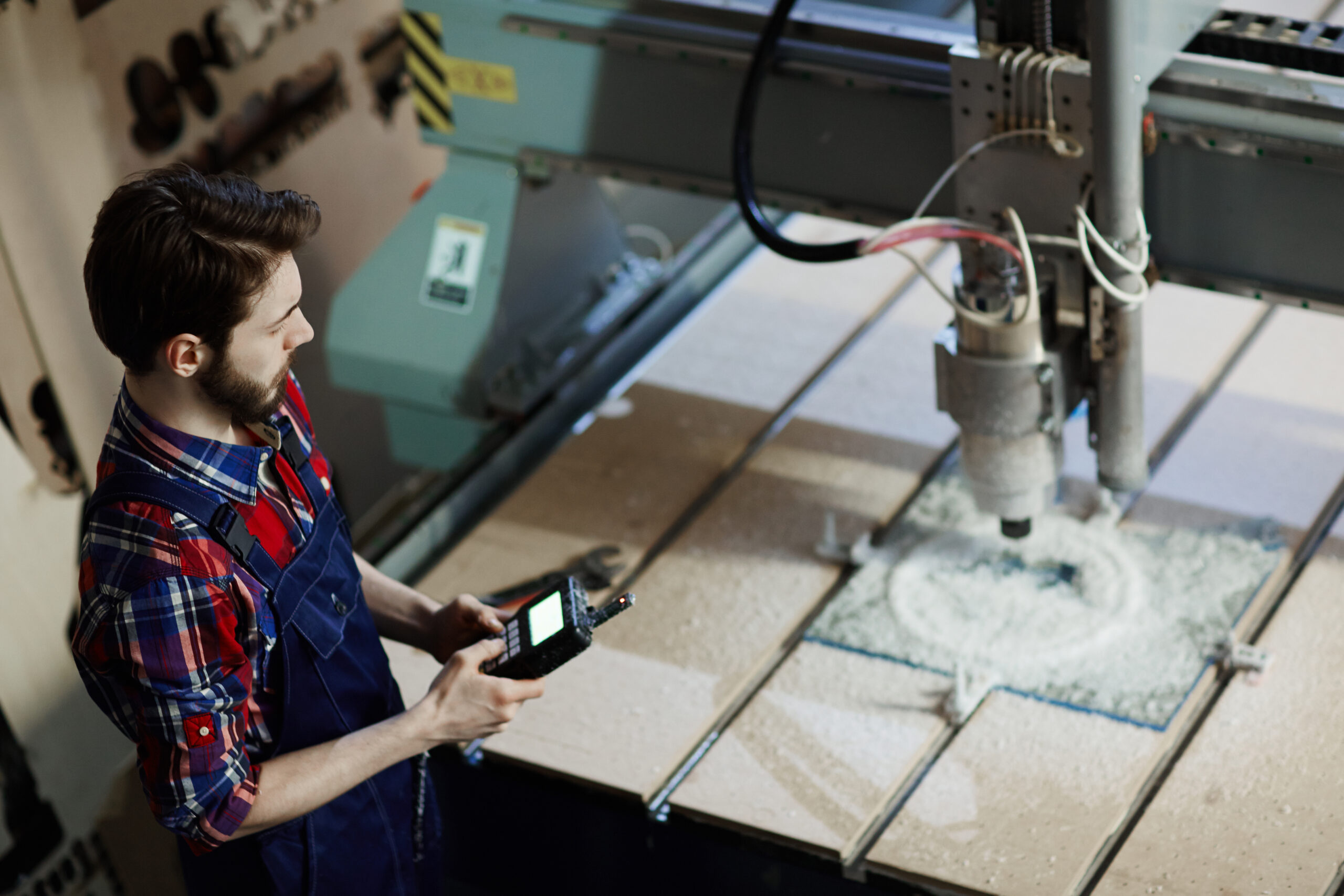
Modern CNC machine shops look very different from those of the past. Automated inspection systems, robotic part loading, and sensor equipped machines are now part of daily operations. These technologies reduce repetitive manual tasks and allow machinists to focus on higher value responsibilities such as programming, setup, troubleshooting, and process optimization.
As automation becomes more common, CNC machining has shifted into a more technical and digitally driven profession. Employers increasingly seek machinists who understand automated systems and integrated production workflows, reinforcing the importance of advanced technical training (Government of Ontario).
AI Is Enhancing CNC Programming, Not Replacing Skilled Machinists
Artificial intelligence is now built into many CNC programming platforms, including Mastercam and Fusion 360. These tools help generate optimized toolpaths, analyze material behavior, reduce machining time, and identify potential issues before production begins.
Despite these advancements, AI does not replace human expertise. Decisions related to tooling selection, fixturing strategies, tolerances, and interpretation of complex technical drawings still rely on skilled machinists. Industry experts emphasize that machinists who combine CNC programming knowledge with automation and AI awareness are among the most in demand professionals in modern manufacturing environments (Premiere Equipment).
Cobots Are Improving Efficiency and Safety in CNC Shops
Collaborative robots, commonly known as cobots, are becoming increasingly common in CNC shops across Ontario. They assist with repetitive tasks such as part loading, deburring, and basic inspection, allowing machinists to focus on precision work and quality control.
Manufacturers using cobots report higher throughput and reduced production errors. However, these systems still rely on trained machinists to program, monitor, and optimize performance. Skilled operators remain essential to ensuring consistent quality and efficient production workflows (3ERP).
Smart Factories and Predictive Maintenance Are Becoming Standard
Industry 4.0 technologies have introduced data driven monitoring into CNC machining environments. Modern machines are equipped with sensors that track spindle load, vibration, temperature, and tool wear in real time.
This data supports predictive maintenance strategies that help prevent unexpected breakdowns, reduce downtime, and extend machine life. CNC machinists who understand digital diagnostics and machine monitoring are becoming critical to maintaining reliable and continuous production in modern facilities (MDA Ltd.).
Ontario’s Growing Demand for Skilled CNC Professionals
Ontario’s expanding electric vehicle battery plants, aerospace manufacturing centers, and precision tooling facilities all depend heavily on advanced CNC machining. These industries require professionals who can operate multi axis equipment, manage automated workflows, and work confidently with CAD CAM systems.
As manufacturing technology continues to advance, CNC training in Ontario has become a direct pathway to stable and high demand careers. Labour market data shows continued demand for skilled machinists as manufacturing modernizes across the province (Job Bank Canada).
Why IMTT Prepares Students for the Future of CNC Manufacturing
- Training Aligned with Modern Manufacturing: IMTT reflects real shop floor environments, giving students hands-on experience with CNC machines, automation tools, and production workflows used by manufacturers across Ontario.
- Industry Relevant Software Training: Students learn Mastercam, SolidWorks, advanced CNC controllers, and modern machining strategies aligned with today’s automated production environments.
- Experienced Industry Instructors: IMTT instructors bring years of hands-on industry experience, guiding students through real world machining challenges and best practices.
- Automation Focused Curriculum: Programs are designed to prepare students for AI enhanced and robotics supported machine shops where technical skill and adaptability are essential.
- Career Ready Skill Development: IMTT builds strong foundations in CAD CAM, CNC programming, and machining to ensure graduates are prepared for in-demand roles in advanced manufacturing.
Preparing for the Future of CNC Manufacturing in Ontario
As automation, artificial intelligence, and smart manufacturing continue to reshape the industry, skilled CNC machinists remain vital to Ontario’s industrial growth. Through hands-on training and an industry aligned curriculum, IMTT equips students with the knowledge and practical experience needed to succeed in modern machining environments.
References
- Premiere Equipment. AI and CNC Programming.
- MDA Ltd. Role of CAD CAM in Modern Manufacturing.